Singapore's Green Revolution: How Sustainable Architecture Is Reshaping the Urban Skyline
An in-depth examination of Singapore's ambitious push toward sustainable architecture, featuring recent eco-friendly developments, innovative rooftop gardens, and stringent energy-efficient building standards that are fundamentally transforming the city-state's architectural landscape.
Singapore has long been recognized as a global leader in urban planning and development, but in recent years, the city-state has taken its commitment to environmental sustainability to unprecedented heights. As climate change concerns intensify and urban populations continue to grow, Singapore's approach to sustainable architecture has become a model for cities worldwide, demonstrating that economic prosperity and environmental responsibility can coexist harmoniously.
The transformation of Singapore's skyline reflects a fundamental shift in how the nation views urban development. No longer content with merely constructing buildings that minimize environmental harm, Singapore has embraced a vision where architecture actively contributes to ecological health, energy efficiency, and the overall well-being of its residents. This evolution represents years of policy development, technological innovation, and a collective commitment to creating a more sustainable urban future.
From towering residential complexes adorned with cascading gardens to commercial buildings that generate their own renewable energy, Singapore's architectural landscape is being reimagined through the lens of sustainability. This comprehensive examination explores the key developments, innovative technologies, and forward-thinking policies that are driving this green revolution in one of Asia's most dynamic cities.

The Policy Framework Driving Change
At the heart of Singapore's sustainable architecture movement lies a robust policy framework that has evolved significantly over the past two decades. The Building and Construction Authority (BCA) has implemented increasingly stringent green building standards, with the Green Mark certification scheme serving as the cornerstone of these efforts. Introduced in 2005, this comprehensive rating system evaluates buildings across multiple sustainability criteria, including energy efficiency, water conservation, environmental protection, and indoor environmental quality.
Recent policy updates have raised the bar even higher. Since 2022, all new buildings and major renovations must achieve a minimum Green Mark certification level, with public sector buildings required to meet even more demanding standards. This mandatory approach represents a significant shift from voluntary participation to regulatory requirement, ensuring that sustainability becomes an integral part of every construction project rather than an optional consideration.
The government has also introduced financial incentives to encourage developers to exceed minimum requirements. The Green Mark Incentive Scheme provides funding support for projects that achieve higher certification levels, while tax incentives reward building owners who invest in energy-efficient technologies and renewable energy systems. These carrots complement the regulatory sticks, creating a comprehensive ecosystem that promotes sustainable development across both public and private sectors.
Beyond individual buildings, Singapore's urban planning policies increasingly emphasize district-level sustainability. The concept of eco-districts, where multiple buildings share centralized cooling systems, renewable energy generation, and waste management infrastructure, is gaining traction. This holistic approach recognizes that true sustainability requires coordination across entire neighborhoods rather than isolated green buildings surrounded by conventional development.
The future of urban development in Singapore is not just about building upward, but building responsibly. Every new structure must contribute positively to our environmental goals while enhancing the quality of life for residents.
— Senior Urban Planning Official, Building and Construction Authority
Landmark Eco-Friendly Developments
Several recent developments exemplify Singapore's commitment to sustainable architecture, showcasing innovative design solutions that balance environmental performance with aesthetic appeal and functional requirements. These projects serve as living laboratories, demonstrating what becomes possible when sustainability is prioritized from the earliest stages of design.
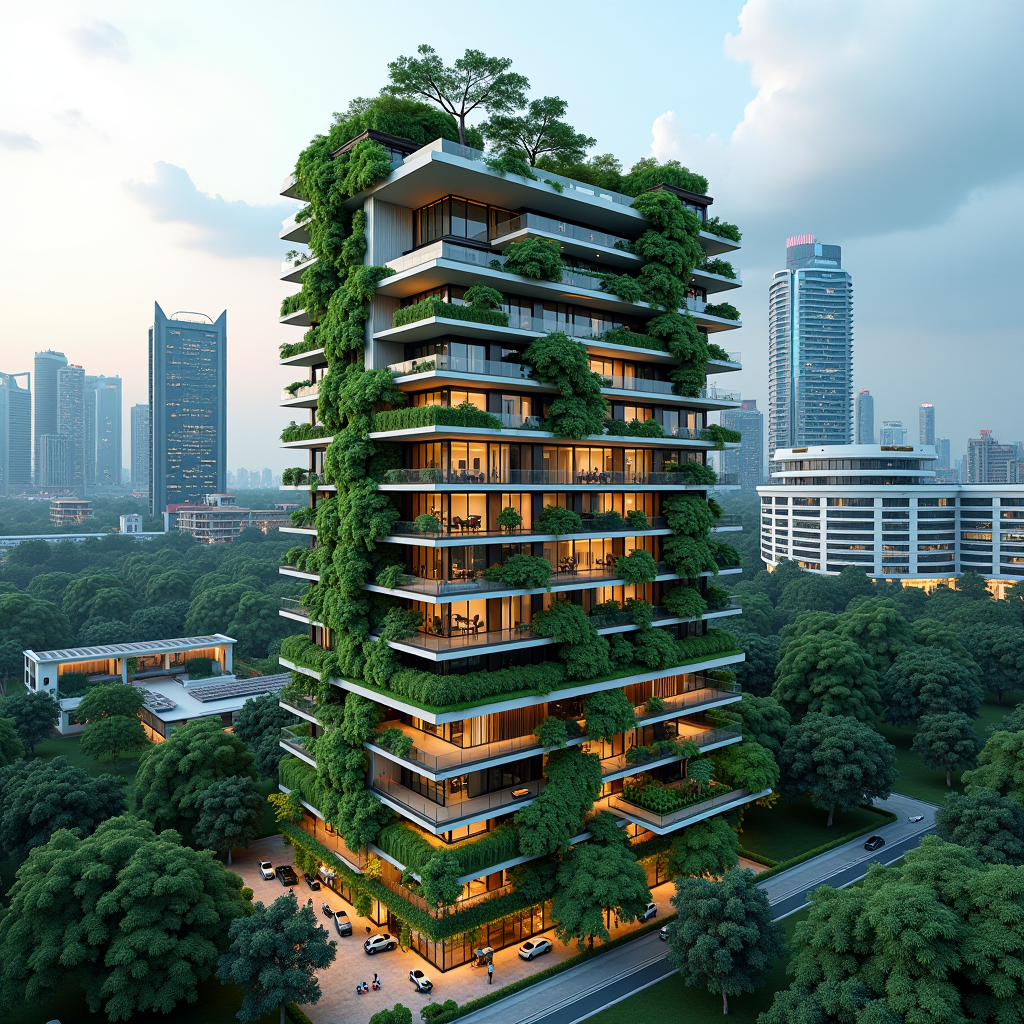
The recently completed Marina Bay Sustainable Tower stands as a testament to what modern green architecture can achieve. This 45-story mixed-use development features a double-skin facade that reduces solar heat gain by 40%, while integrated photovoltaic panels generate approximately 15% of the building's energy needs. Perhaps most striking are the sky gardens positioned every eight floors, creating vertical parks that provide residents with green spaces while naturally cooling the building through strategic air circulation.
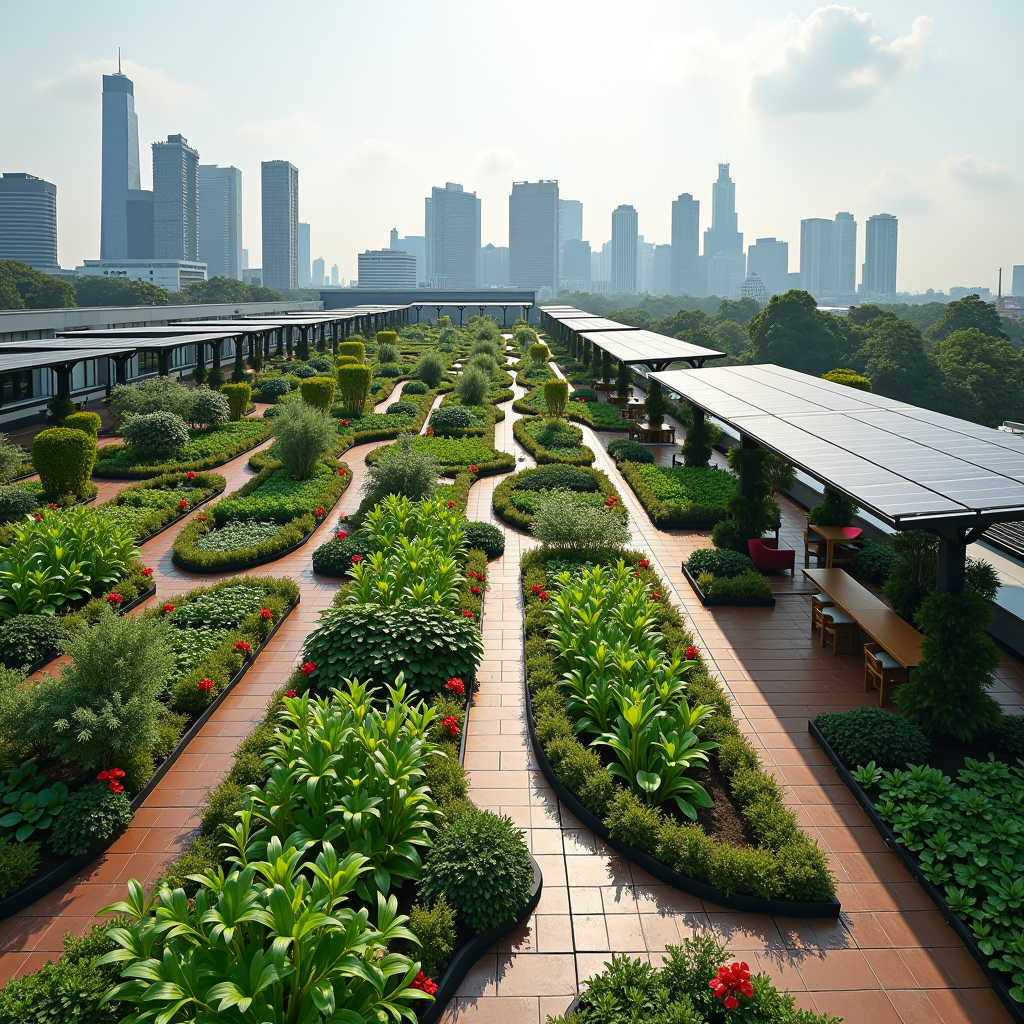
In the residential sector, the Eco-Haven condominium complex has set new standards for sustainable living. Completed in late 2024, this development incorporates rainwater harvesting systems that supply 30% of the complex's non-potable water needs, smart home systems that optimize energy consumption based on occupancy patterns, and a community urban farm on the rooftop where residents can grow vegetables and herbs. The project achieved the highest Green Mark Platinum certification, demonstrating that luxury living and environmental responsibility are not mutually exclusive.
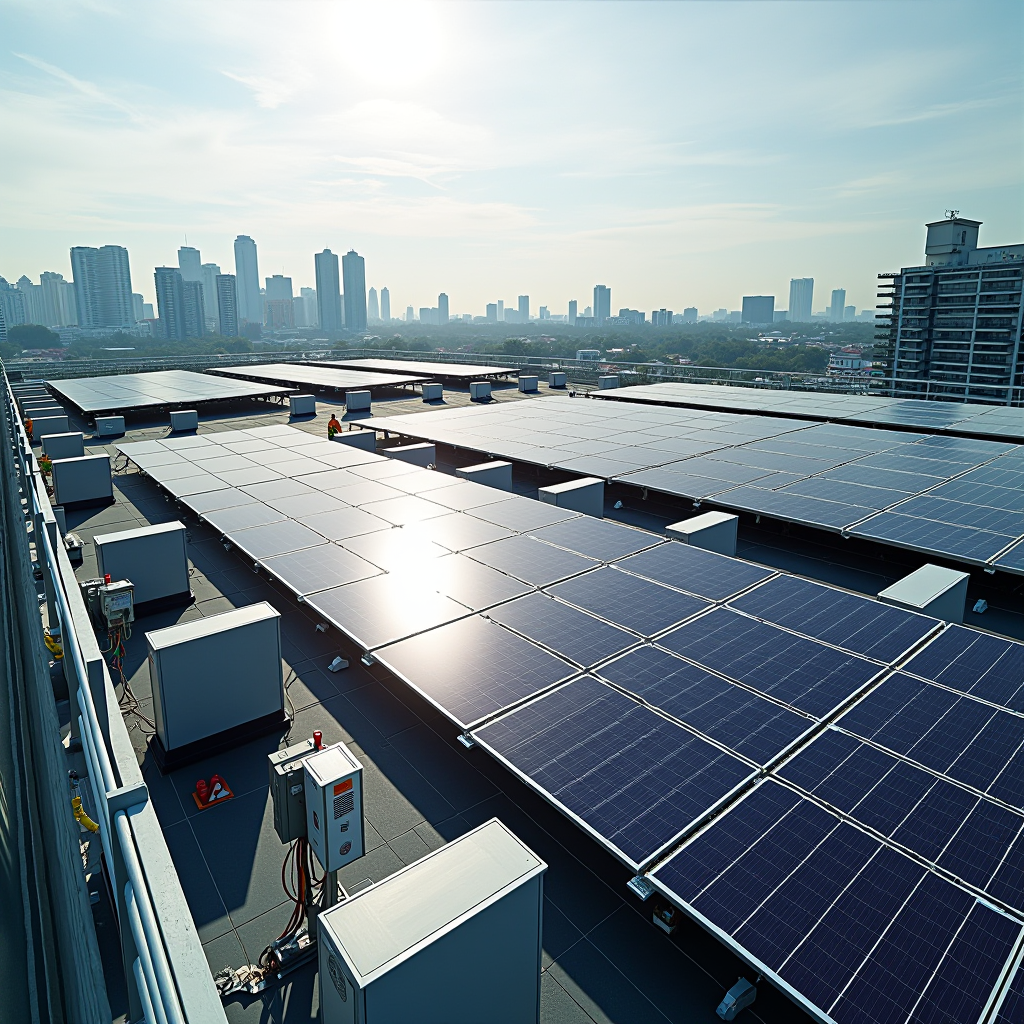
Commercial developments are also embracing sustainability with remarkable results. The recently renovated Orchard Gateway shopping complex now features one of Southeast Asia's largest rooftop solar installations, generating clean energy while providing shaded outdoor spaces for shoppers. The building's cooling system utilizes waste heat recovery technology, significantly reducing overall energy consumption. These improvements have cut the complex's carbon footprint by 35% compared to pre-renovation levels, proving that existing structures can be transformed into sustainable assets.
Technological Innovations Enabling Sustainability
The transformation of Singapore's architectural landscape would not be possible without significant technological advances that make sustainable design both practical and economically viable. From smart building management systems to advanced materials science, technology serves as the enabler of the city-state's green ambitions.
Building Information Modeling (BIM) has become standard practice in Singapore's construction industry, allowing architects and engineers to simulate building performance before construction begins. These digital twins enable designers to optimize energy efficiency, natural lighting, and ventilation patterns, identifying potential issues and opportunities that would be impossible to detect through traditional design methods. The result is buildings that perform better in practice because they were thoroughly tested in virtual environments.
Smart building management systems represent another crucial technological advancement. These integrated platforms monitor and control everything from lighting and climate control to water usage and waste management, using artificial intelligence to optimize performance in real-time. Sensors throughout buildings collect data on occupancy, temperature, humidity, and air quality, allowing systems to adjust automatically for maximum efficiency. Some newer buildings report energy savings of 30-40% compared to conventional structures, largely attributable to these intelligent management systems.
Materials science has also contributed significantly to sustainable architecture. High-performance glass coatings that block heat while allowing natural light, concrete mixtures that incorporate recycled materials and sequester carbon dioxide, and advanced insulation materials that dramatically reduce cooling requirements are now standard in premium developments. Research institutions in Singapore continue to develop new materials, including bio-based alternatives to conventional construction materials that could further reduce the environmental impact of building.

The Rise of Vertical and Rooftop Gardens
Perhaps no aspect of Singapore's sustainable architecture movement is more visually striking than the proliferation of rooftop gardens and vertical greenery. These features have become signature elements of the city's skyline, transforming what were once barren concrete surfaces into lush, productive spaces that provide multiple environmental and social benefits.
The environmental benefits of these green spaces are substantial and well-documented. Rooftop gardens reduce the urban heat island effect by absorbing solar radiation that would otherwise heat building surfaces and radiate into the surrounding environment. Studies conducted by local universities have found that buildings with extensive green roofs can be up to 5 degrees Celsius cooler than those without, significantly reducing cooling energy requirements. Additionally, these gardens improve air quality by filtering pollutants and producing oxygen, while also managing stormwater runoff by absorbing rainfall that might otherwise overwhelm drainage systems.
Beyond environmental benefits, rooftop gardens serve important social functions. In a densely populated city where ground-level green space is limited, these elevated gardens provide residents with access to nature and outdoor recreation. Many residential developments now feature rooftop community gardens where residents can grow food, socialize with neighbors, and participate in environmental education programs. These spaces have become particularly valued following the pandemic, as people seek outdoor areas close to home.
The technical sophistication of these installations has advanced considerably. Modern rooftop gardens incorporate lightweight growing media, efficient irrigation systems that use recycled water, and carefully selected plant species that thrive in Singapore's tropical climate while requiring minimal maintenance. Some developments have even integrated aquaponics systems that combine fish farming with vegetable cultivation, creating closed-loop food production systems that demonstrate urban agriculture's potential.
Stringent Energy Efficiency Standards
Energy efficiency lies at the core of Singapore's sustainable building strategy, with increasingly stringent standards pushing the construction industry toward ever-better performance. The city-state's tropical climate means that cooling accounts for a significant portion of building energy consumption, making efficiency improvements in this area particularly impactful.
Current regulations mandate minimum energy performance standards for all major building systems, including air conditioning, lighting, and mechanical ventilation. These standards are regularly updated to reflect technological advances, ensuring that new buildings incorporate the latest efficiency technologies. For example, recent updates require all new commercial buildings to use LED lighting exclusively and install variable refrigerant flow air conditioning systems that adjust cooling output based on actual demand rather than running at constant capacity.
The government has also implemented mandatory energy audits for large existing buildings, requiring owners to assess performance and implement cost-effective improvements. This focus on existing building stock recognizes that new construction represents only a small fraction of total building energy consumption. By improving the efficiency of older buildings through retrofits and upgrades, Singapore aims to reduce overall energy consumption across the entire built environment.
Renewable energy integration has become another key focus area. While Singapore's small size and high density limit the potential for large-scale renewable installations, the government actively promotes solar energy adoption through various programs. The SolarNova initiative has installed solar panels on government buildings, while the SunSeap program enables building owners to purchase solar energy generated elsewhere in Singapore. These efforts are gradually increasing renewable energy's contribution to the city-state's energy mix, reducing reliance on imported fossil fuels.
Challenges and the Path Forward
Despite significant progress, Singapore's sustainable architecture movement faces ongoing challenges that will shape its future trajectory. Understanding these obstacles is essential for developing strategies to overcome them and continue advancing toward more ambitious sustainability goals.
Cost remains a persistent concern, particularly for smaller developers and building owners. While sustainable technologies have become more affordable over time, the upfront investment required for high-performance buildings still exceeds that of conventional construction. Although these investments typically pay for themselves through reduced operating costs, the initial capital requirement can be prohibitive. Addressing this challenge will require continued financial incentives, innovative financing mechanisms, and further cost reductions through technological advancement and economies of scale.
The skills gap in the construction industry presents another significant challenge. Implementing sustainable building technologies requires specialized knowledge that many construction workers and building managers currently lack. The government has responded by expanding training programs and certification schemes, but developing a workforce capable of designing, constructing, and maintaining sustainable buildings at scale will take time. Educational institutions are also adapting curricula to ensure that future architects, engineers, and construction professionals graduate with sustainability expertise.
Looking ahead, Singapore has set ambitious targets for its built environment. The government aims to green 80% of buildings by 2030 and achieve net-zero emissions for new buildings by 2030. Reaching these goals will require continued policy innovation, technological advancement, and sustained commitment from all stakeholders. Emerging technologies such as carbon-capture concrete, advanced energy storage systems, and artificial intelligence-driven building optimization offer promising pathways toward these objectives.
The international dimension of Singapore's sustainable architecture movement should not be overlooked. As a global financial and business hub, Singapore's building standards influence development throughout Southeast Asia and beyond. Many regional developers look to Singapore as a model, adopting similar approaches in their home markets. This ripple effect amplifies the impact of Singapore's sustainability initiatives, potentially contributing to improved building performance across the entire region.
Conclusion: A Model for Urban Sustainability
Singapore's transformation into a leader in sustainable architecture demonstrates what becomes possible when government policy, private sector innovation, and public support align around shared environmental goals. The city-state's skyline, increasingly characterized by green facades, rooftop gardens, and energy-efficient designs, represents more than aesthetic evolution—it embodies a fundamental reimagining of how urban environments can function in harmony with natural systems.
The journey toward sustainable architecture is ongoing, with new challenges emerging as ambitions grow more ambitious. However, Singapore's track record suggests that these challenges can be overcome through continued innovation, policy refinement, and collective commitment. As climate change intensifies and urban populations expand globally, the lessons learned from Singapore's experience will become increasingly valuable for cities worldwide seeking to balance development with environmental responsibility.
The green revolution reshaping Singapore's skyline offers hope that cities can evolve to meet the environmental challenges of the 21st century. By prioritizing sustainability in every aspect of building design, construction, and operation, Singapore is creating a blueprint for urban development that other cities can adapt to their own contexts. The result is not just a greener city, but a more livable, resilient, and forward-thinking urban environment that serves as a model for sustainable development worldwide.